Frequently asked questions about our 14ct solitaire rings
What is a solitaire ring?
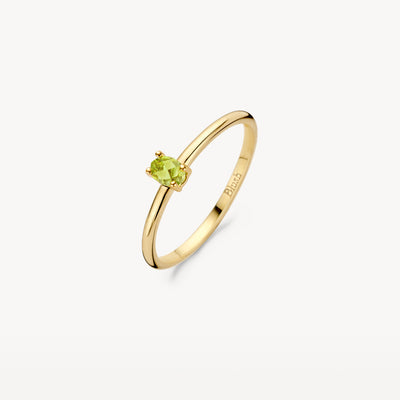
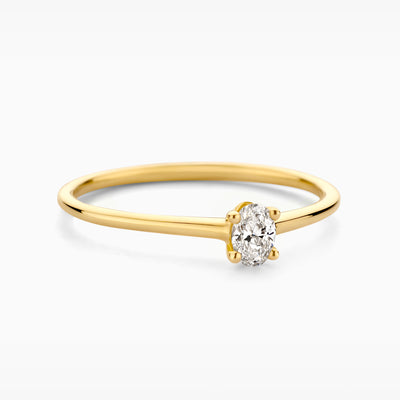
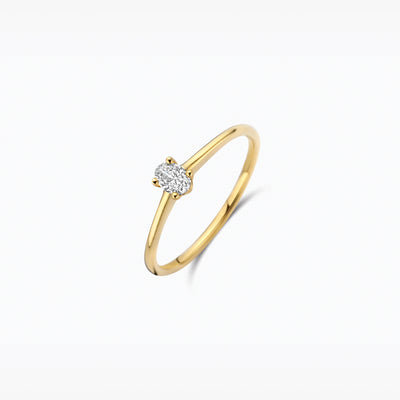
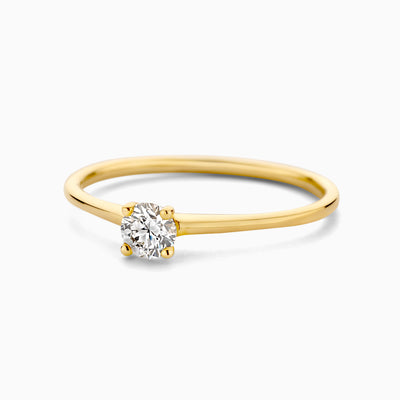
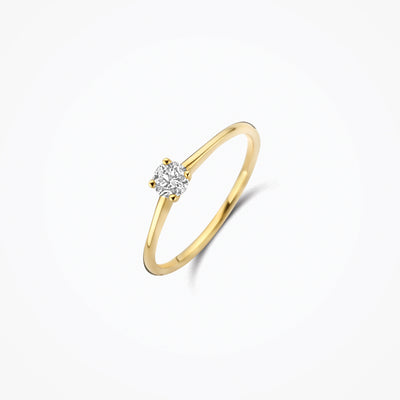
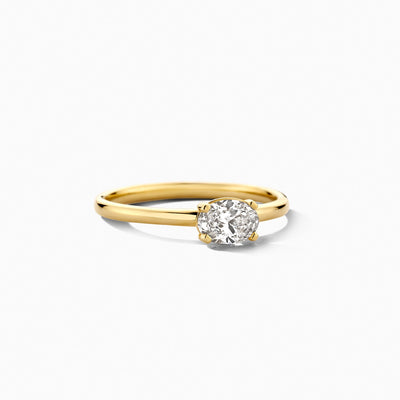
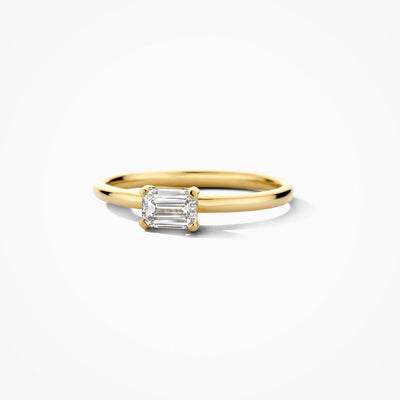
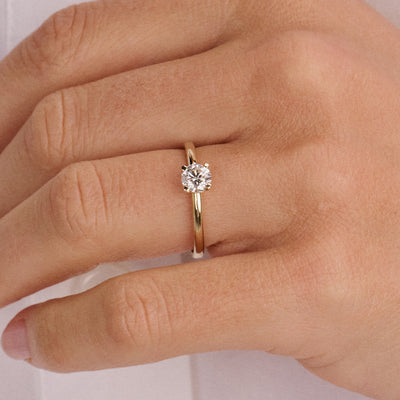
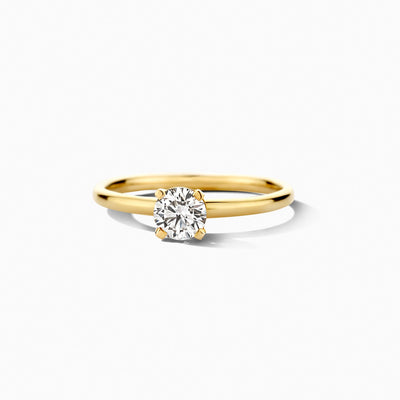
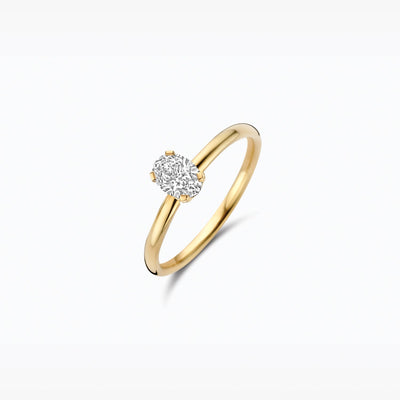
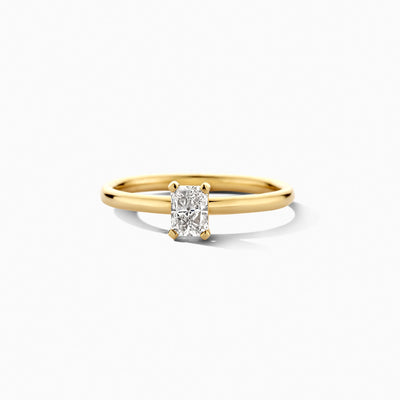
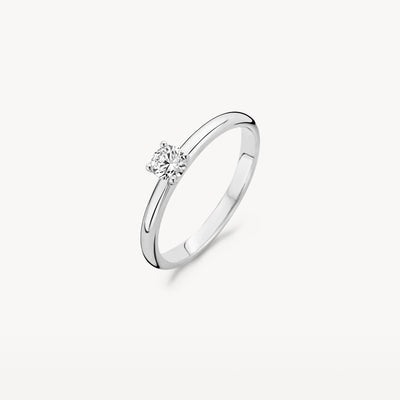
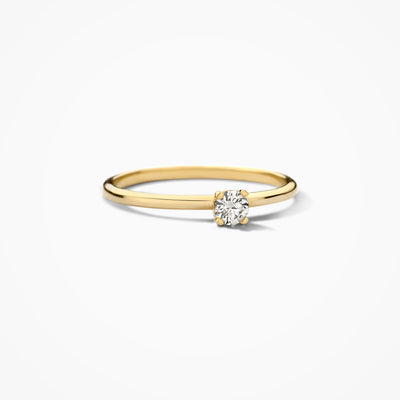
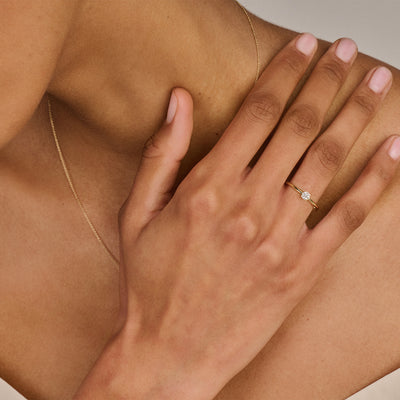
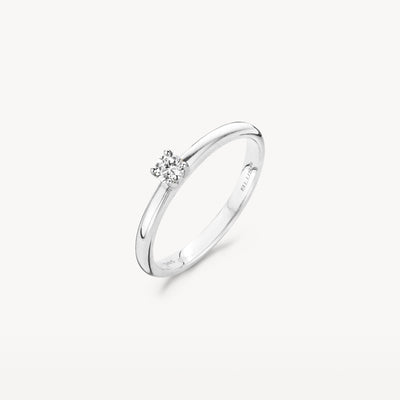
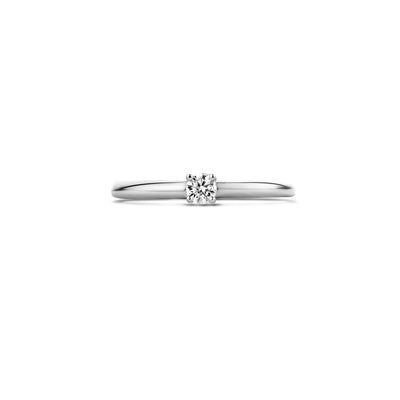
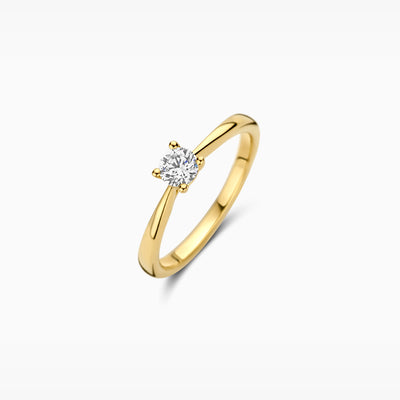
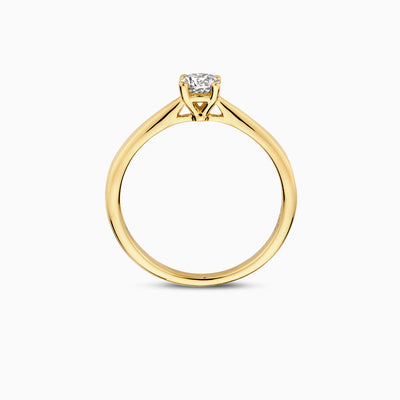
A solitaire ring is a ring with a single stone as its centrepiece. That one stone draws the attention, keeping the design calm yet clearly present on the hand. In our collection you'll find solitaire rings with diamond, cubic zirconia, coloured stones, as well as lab diamond rings. Thanks to its simple construction, this type of ring is loved by anyone who appreciates an elegant ring with a clear focal point.
Are solitaire rings suitable as an engagement ring?
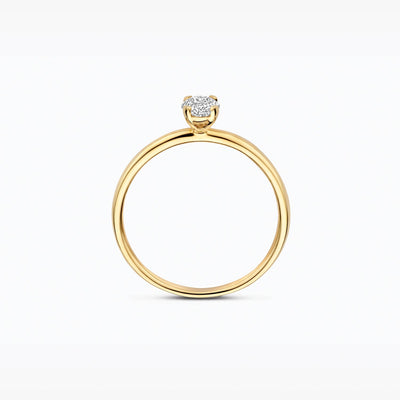
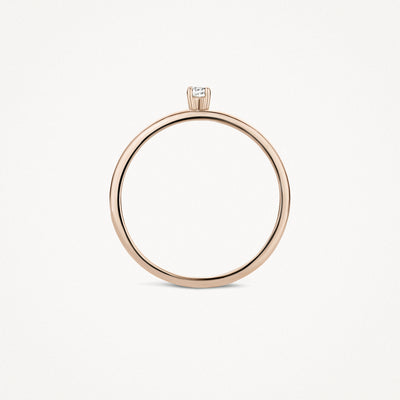
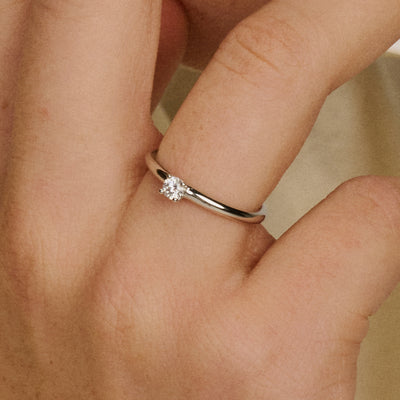
Yes, solitaire rings are very well suited as an engagement ring, precisely because a single stone can symbolise one special moment or one particular person. A solitaire diamond or lab grown diamond has a classic look that many people instantly associate with a proposal. If you'd like to wear the ring alongside a wedding ring later, pay close attention to the height of the setting and the shape of the band. A straight, not-too-wide wedding ring usually pairs most beautifully with a solitaire ring featuring a central stone.
What types of solitaire rings can I choose from?
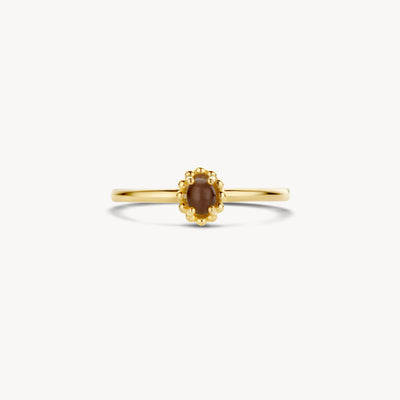
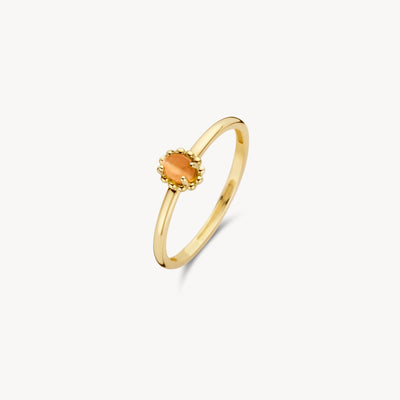
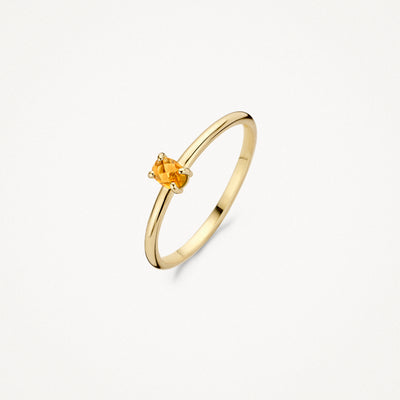
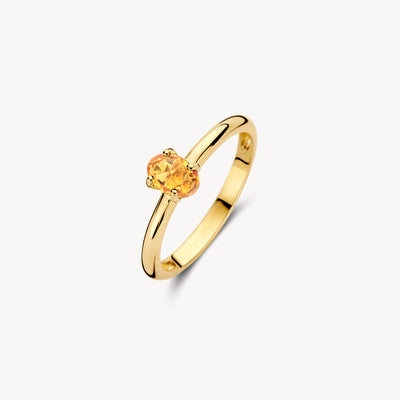
Within solitaire rings you can choose from various stone types, gold colours and settings. There are rings with diamond, lab grown diamond and cubic zirconia, as well as solitaire rings with coloured stones such as malachite, rock crystal or smoky quartz. Yellow gold gives the ring a warm base, white gold creates a fresher look, and bicolour combines two gold colours in one design. This means the principle stays the same — one central stone — but every solitaire ring still feels different.
What is the difference between a solitaire ring with diamond and one with cubic zirconia?
A solitaire ring with diamond contains a real diamond, natural or lab grown, with its corresponding hardness and light performance. Cubic zirconia also offers plenty of sparkle, but is a different type of stone and is often chosen as a more accessible alternative. Anyone seeking lasting diamond value tends to choose diamond jewellery or lab grown diamond jewellery. Anyone who mainly loves the look of a clear stone can make a refined and more affordable choice with cubic zirconia.
What does the size of the stone mean for a solitaire ring?
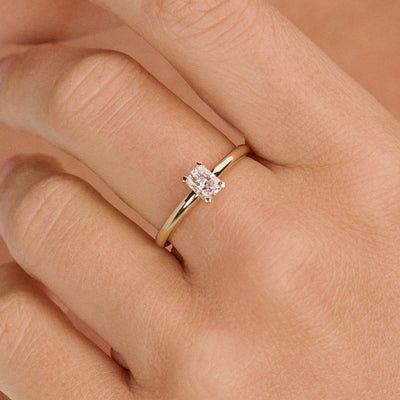
The size of the stone largely determines how visible the solitaire ring is on the hand. A smaller stone, such as a subtle 1.6 mm diamond, gives a refined point of light. A larger stone of, say, 3.5 or 4 mm has more presence and quickly becomes the focal point of your hand. With solitaire rings, the stone size stands out even more, as there's no row of small stones or busy design surrounding it.
Can I combine a solitaire ring well with other rings?
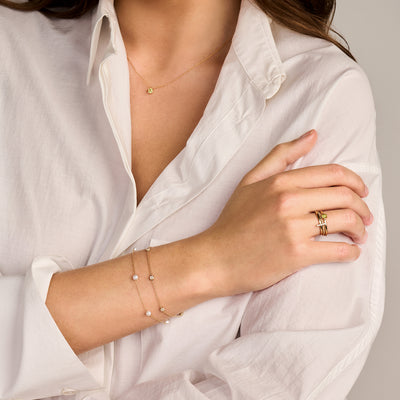
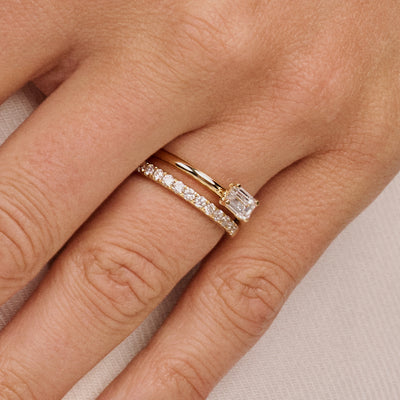
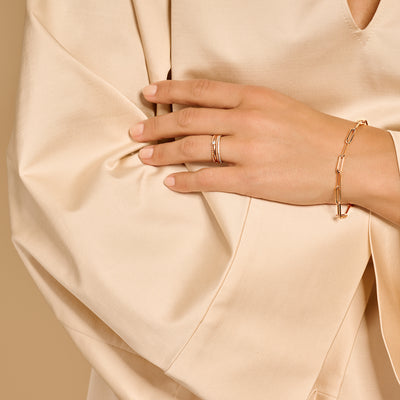
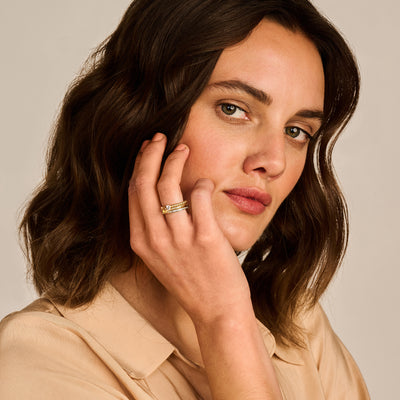
A solitaire ring combines well, as long as the central stone gets enough room. If you're wearing a ring with a higher setting, a narrow smooth ring or fine stacking ring often pairs more beautifully alongside it than a wide ring with lots of detail. A solitaire ring with a coloured stone can be calmly combined with a simple gold band, so the colour isn't overpowered. If you love stacking, it works beautifully to use one solitaire ring as a focal point and keep the rest of your rings more understated.
Which solitaire ring suits a smaller hand?
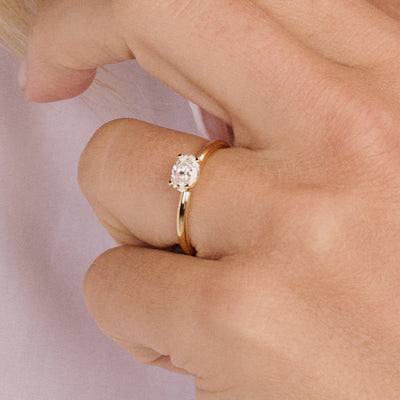
For a smaller hand, a fine band with a subtle central stone usually looks beautifully proportioned. A smaller stone provides enough sparkle without the solitaire ring looking too heavy. If you'd still like more visibility, an oval or hexagonal stone can be interesting, as the shape stands out without the ring needing to be wide. Mainly pay attention to balance: the stone may have presence, but the solitaire ring should still sit comfortably and naturally on the finger.
Solitaire Rings
Simple, elegant, timeless. A solitaire ring is one you'll wear forever.
Always
Free shipping
Order today
Delivered tomorrow
Up to
30-day free return
Choosing a selection results in a full page refresh.